


|
|
News Category
News
Case
Latest News
Applications of Steel Coil Slitting Lines in the Automotive Industry
2026-06-05
The automotive industry is one of the largest consumers of processed steel worldwide. From structural components and body panels to seat frames and reinforcement parts, modern vehicles rely heavily on steel strips of various widths and specifications.
To meet the strip quality and dimensional requirements of automotive manufacturing, steel coils must be accurately processed before entering downstream production. This is where a Steel Coil Slitting Line plays a crucial role.
In this news, we explore how slitting lines support automotive manufacturing, the advantages they provide, and why choosing the right slitting solution is essential for automotive suppliers and steel service centers.
What Is a Steel Coil Slitting Line?
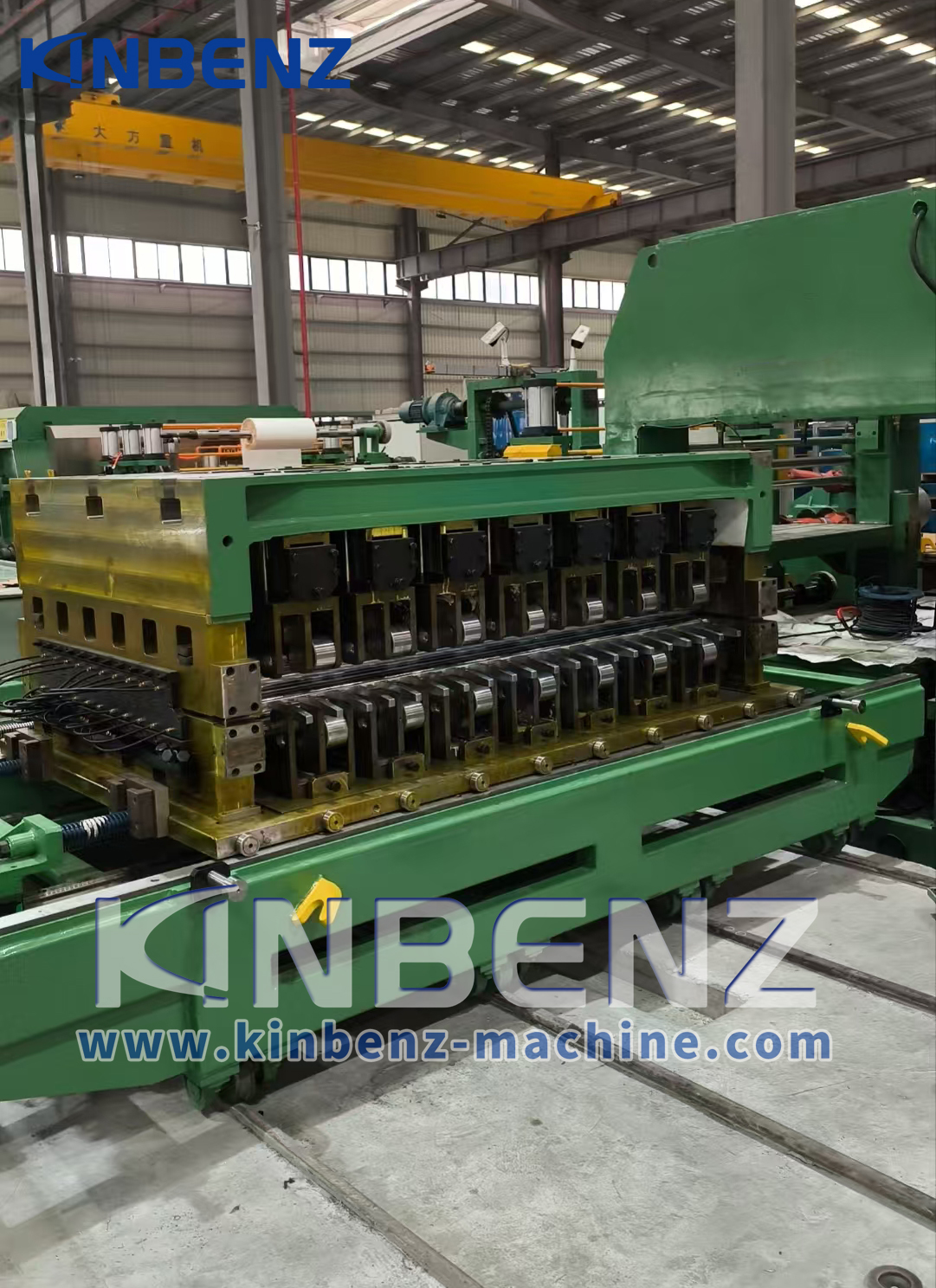
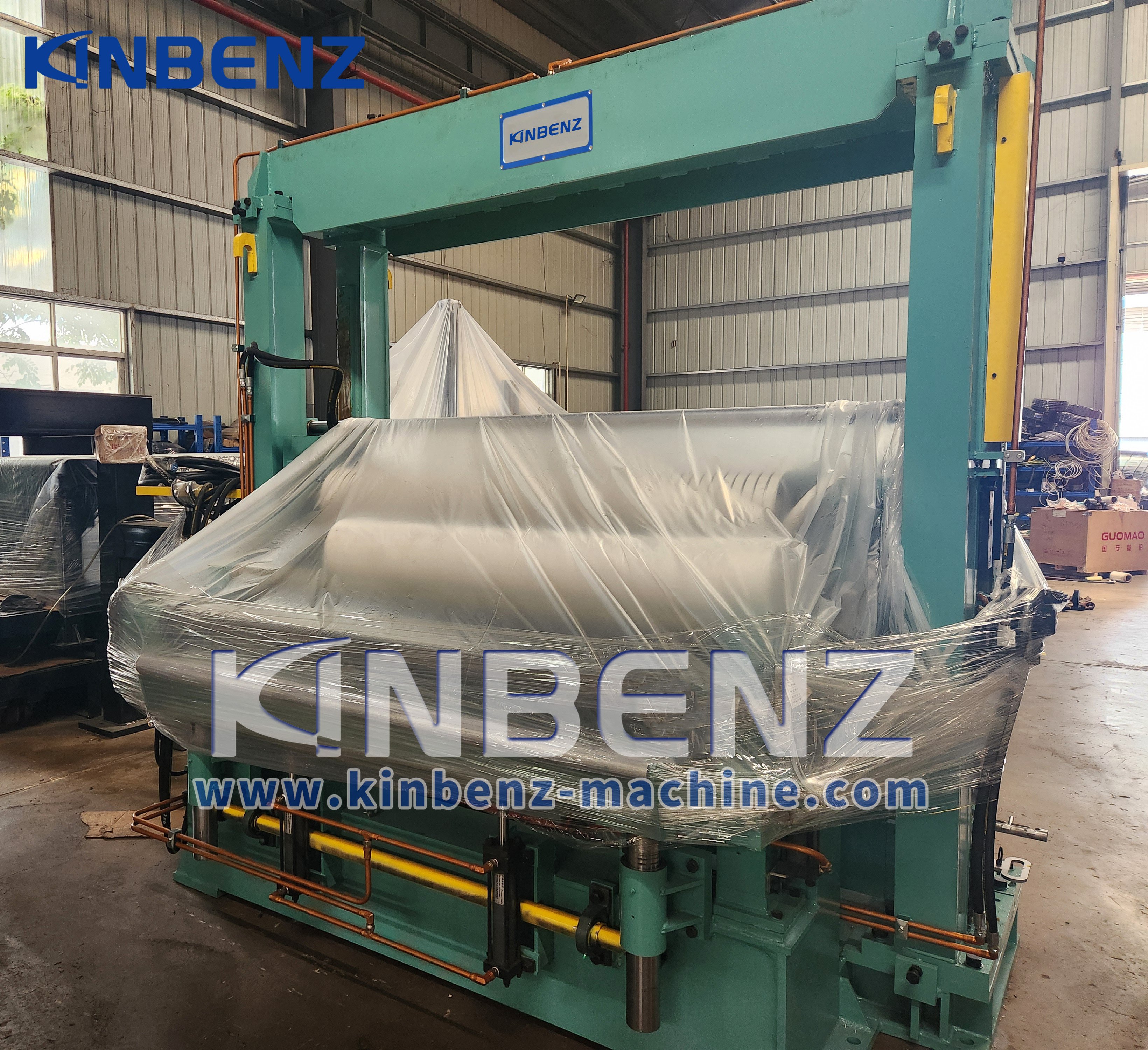
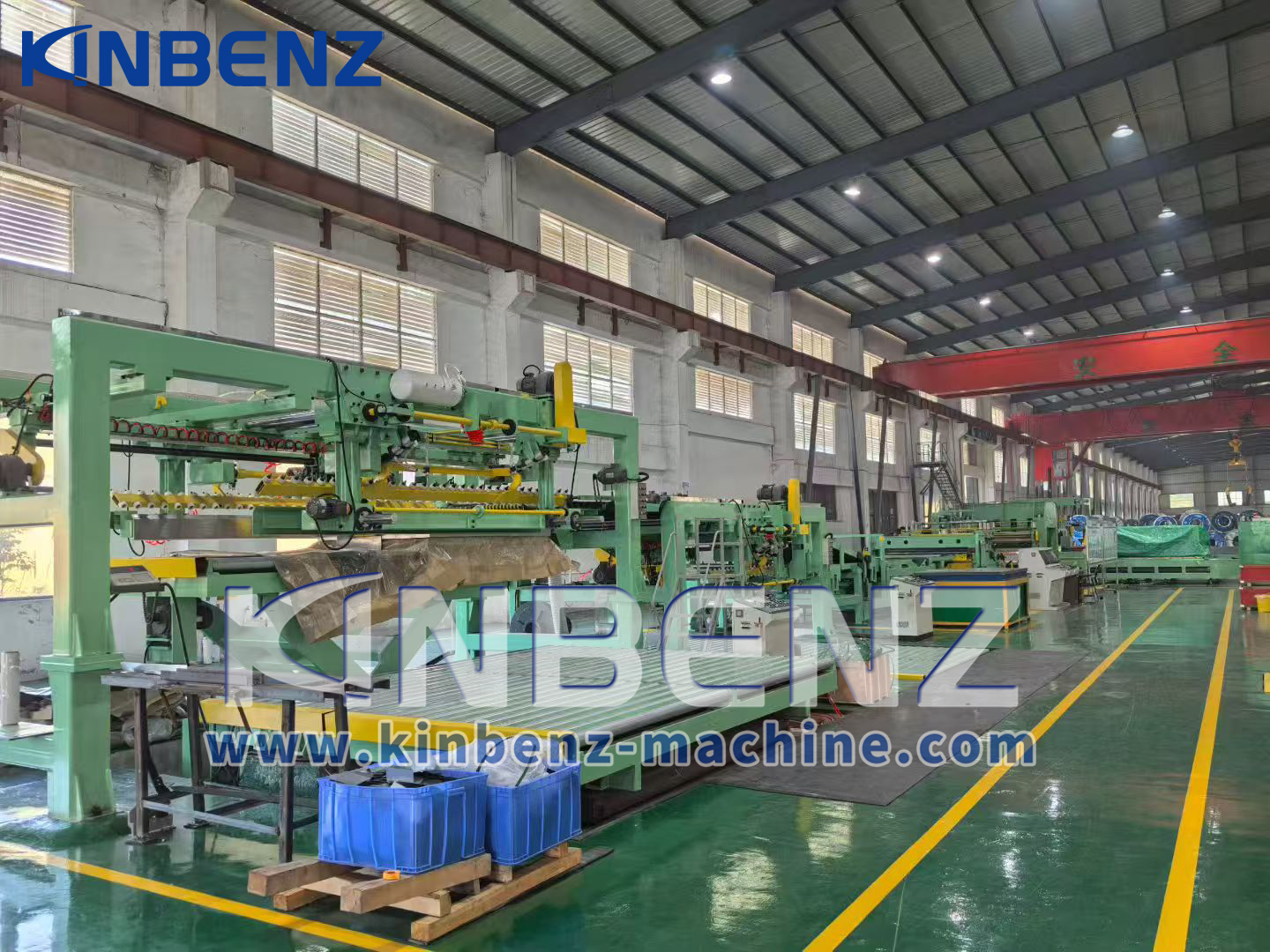
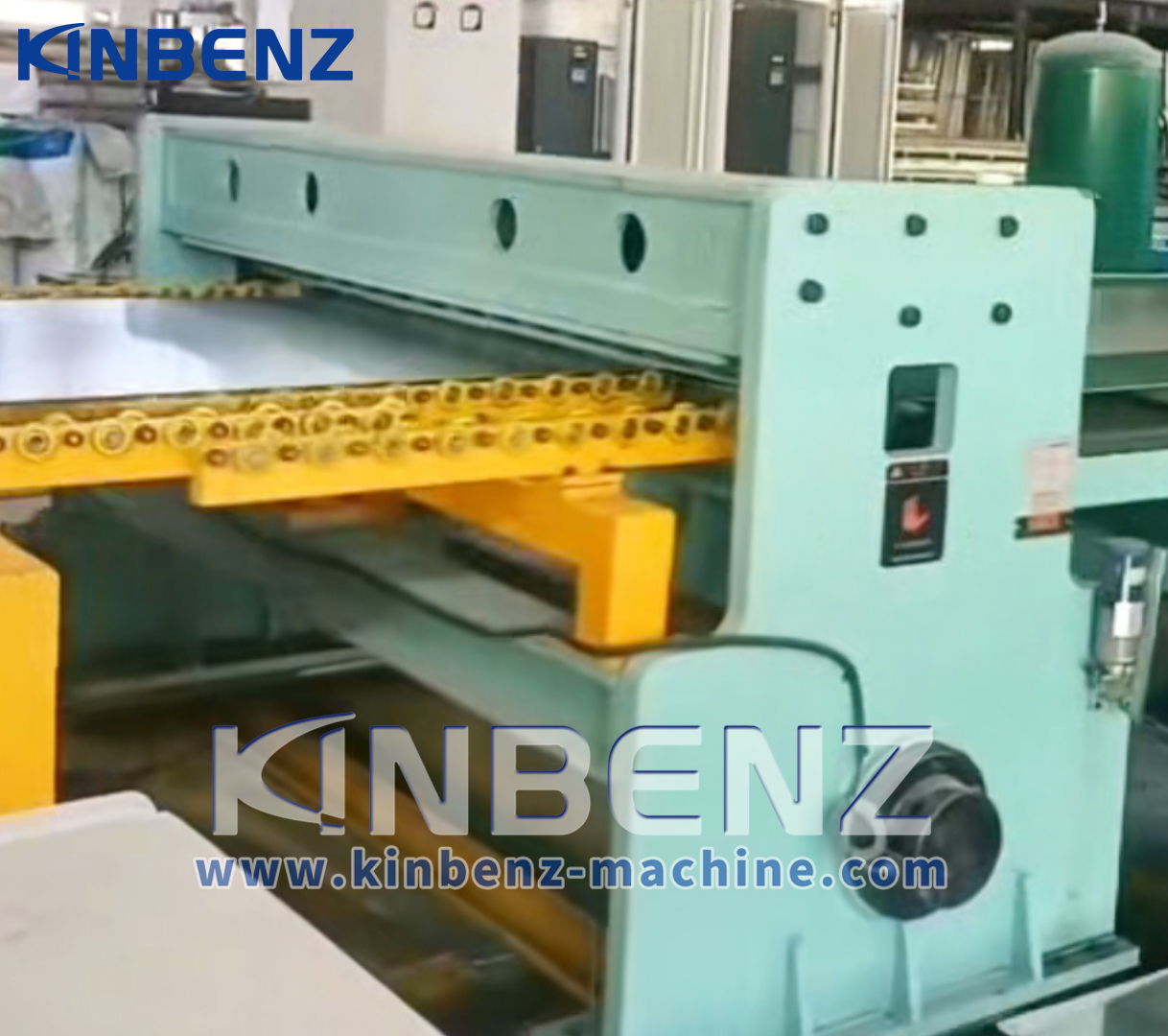
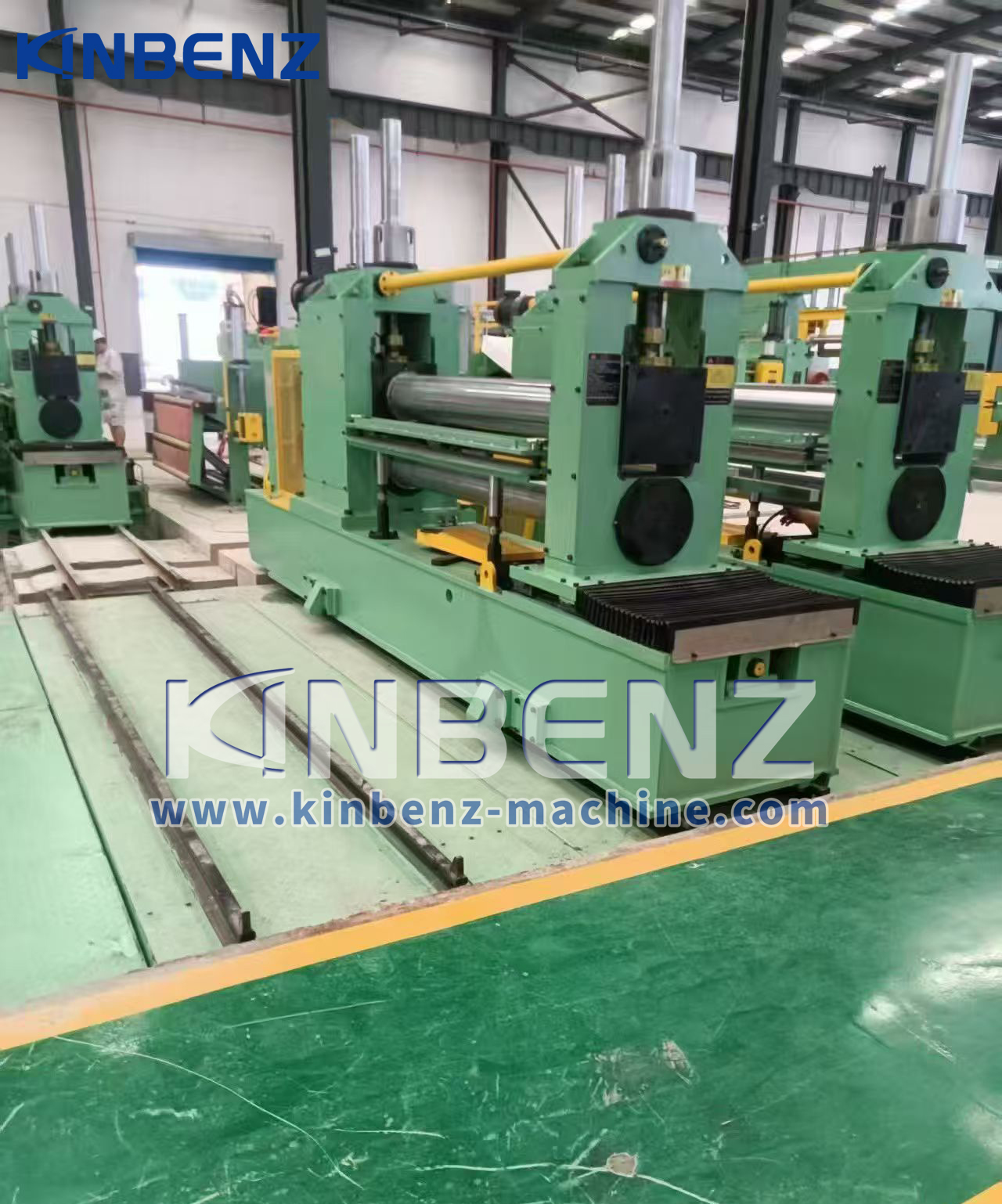
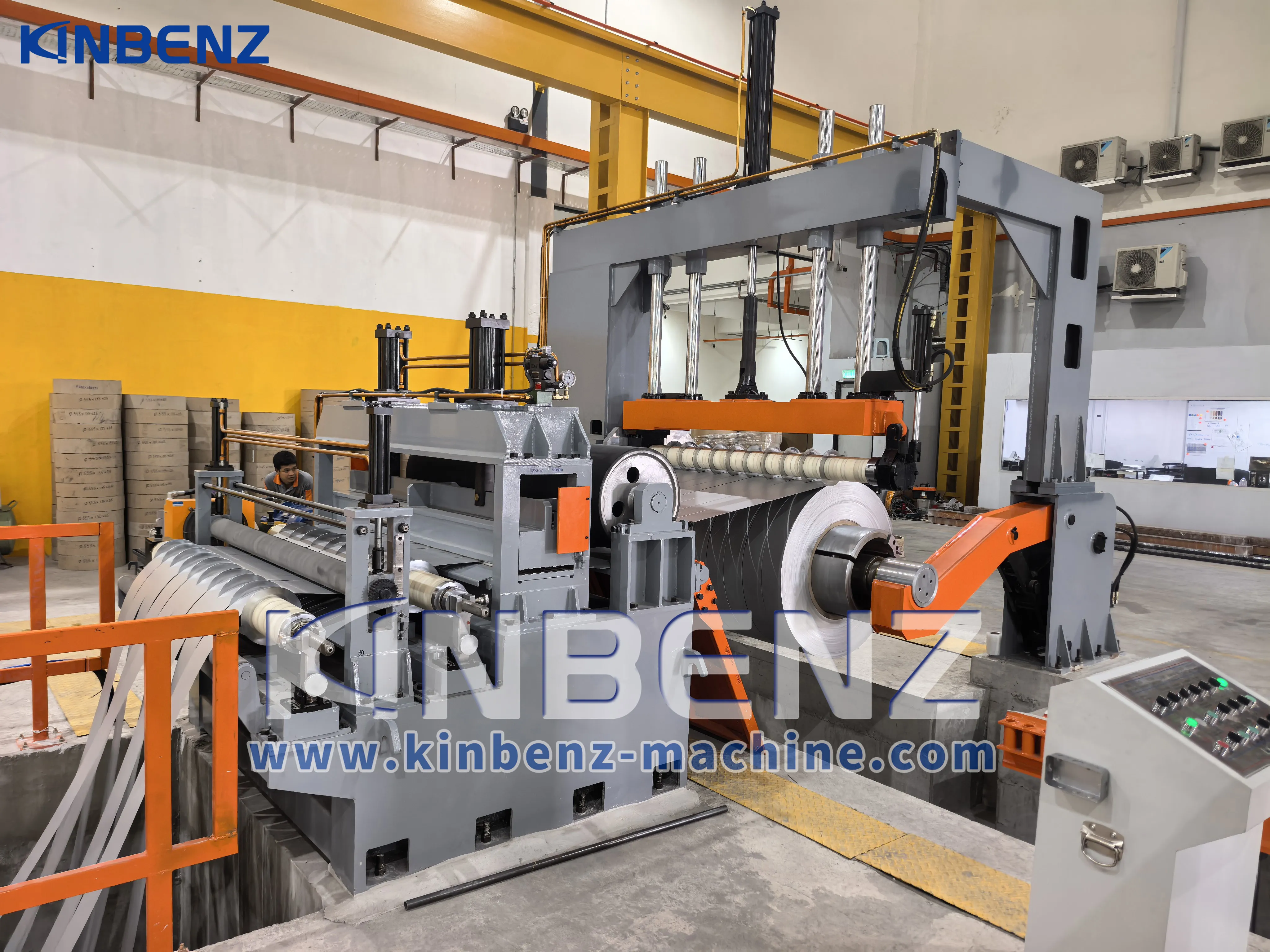
Steel coil slitting line is a metal processing system designed to slit a master coil into multiple narrower strips according to specified widths.
A typical slitting process includes:
- Coil loading
- Uncoiling
- Pinch feeding
- Slitting
- Scrap edge winding
- Tension control
- Recoiling
The finished steel strips can be used directly in various automotive manufacturing processes such as stamping, roll forming, welding, and component assembly.
Why is Slitting Important in Automotive Manufacturing?
Automotive manufacturers require steel strips width:
- Accurate width tolerances
- Smooth slit edges
- Stable coil winding quality
- Consistent mechanical properties
Poor slitting quality can lead to production issues including:
- Edge burrs
- Material waste
- Tool wear during stamping
- Welding defects
- Assembly inaccuracies
High-quality slitting line can helps ensure that every strips meets the demanding standards of the automotive industry.
Main Automotive Applications of Slitted Steel Strips
1. Automotive Body Components
Many vehicle body parts begin as steel strips processed by slitting lines
Examples include:
- Reinforcement panels
- Side members
- Roof structures
- Door frames
- Chassis components
Precise strip width ensures accurate stamping and forming during production
2. Seat Frame Manufacturing
Steel strips are widely used in:
- Steel rails
- Seat frame structures
- Recliner mechanisms
These components require consistent dimensions and reliable material quality to ensure passenger safety and comfort.
3. Exhaust and Structural Components
Stainless steel strips produced from slitting lines are commonly used for:
- Exhaust systems
- Heat shields
- Structural brackets
- Reinforcement parts
Clean slit edges help improve welding quality and reduce post-processing requirements.
4. Roll-Formed Automotive Parts
Many automotive suppliers utilize roll-forming technology to produce:
- Bumper reinforcements
- Window channels
- Guide rails
- Support brackets
High-quality slit coils are essential for stable roll-forming performance and dimensional consistency.
5. Electric Vehicle Components
With the rapid growth of electric vehicles, demand for precision steel and aluminum strips continues to increase.
Slitted materials are used in:
- Battery enclosures
- Battery support structure
- Cooling system components
- Electrical cabinet parts
These applications require excellent edge quality and precise strip dimensions.
What Types of Materials Are Commonly Processed?
Automotive manufacutrers process various materials through slitting lines, including:
- Cold-Rolled Steel
- Hot-Rolled Steel
- Galvanized Steel
- Stainless Steel
- Aluminum Coil
- Carbon Steel and so on.
Different materials require different slitting blade configutations, tension settings, and recoiling methods to acheive optimal results.
Benefits of Using High-Quality Slitting Line for Automotive Applications
High Precision Slitting
Accrate strip widths help reduce downstream processing errors and material waste.
Better Edge Quality
Proper blade clearance and tension control minimize burr formation and edge defects.
Improved Production Efficiency
Automotive suppliers often process large coil volumnes. Efficient slitting lines help increase productivity and reduce downtime.
Consistent Coil Quality
Stable tension and recoiling systems ensure neat and compact finished coils for transportation and further processing.
Customized Production Capability
Automotive manufacturers frequently require different strip widths and specifications. Customized slitting lines allow quick adaptation to changing production requirements.
How KINBENZ Supports Automotive Steel Processing
At KINBENZ, we manufacture customized steel coil slitting lines designed to meet the needs of modern automotove supply chains.
Our solutions can be tailored according to:
- Coil width
- Thickness range
- Coil weight capacity
- Material type
- Production volume requirements
Whether processing galvanized steel, cold-rolled steel, stainless steel or aluminum coils, our engineering team can provide a suitable slitting solution for your application.
With over 30 years of manufacturing experience in coil processing equipment, KINBENZ continues to support customers worldwide with reliable and cost-effecitve slitting line solutions.
FAQ
Q1: Why does the automotive industry require high-precision slitting?
Automotive components often have strict dimensional tolerances. High-precision slitting ensure stable downstream stamping, welding, and assembly operations.
Q2: What steel materials are most commonly slit for automotive production?
Cold-rolled steel, galvanized steel, high-strength steel, and stainless steel are among the most commonly processed materials.
Q3: Can one slitting line process multiple material types?
Yes. A properly designed slitting line can process different materials by adjusting blade setup, tension control, and operating parameters.
Q4: Is double slitter beneficial for automotive suppliers?
For factories frequently changing strip specifications, double slitter configuration can significantly reduce setup time and improve productivity.
Q5: Can KINBENZ customized slitting line for automotive applications?
Absolutely. We provide customized slitting line solutions based on the customer's coil specifications, material type, and production requirements.
Conclusion
Steel coil slitting lines play a vital role in automotive industry by transforming master coils into precision strips used in countless vehicle components. From body structures and seat frames to EV battery systems, high-quality slit coils help ensure manufacturing efficiency, product consistency, and long-term performance.
As automotive production continues to evolve, the demand for precise and reliable coil processing equipment will only increase. KINBENZ remains committed to providing customized slitting line solutions that help automotive manufacturers and steel service centers achieve their production goals efficiently and economically.
The automotive industry is one of the largest consumers of processed steel worldwide. From structural components and body panels to seat frames and reinforcement parts, modern vehicles rely heavily on steel strips of various widths and specifications.
To meet the strip quality and dimensional requirements of automotive manufacturing, steel coils must be accurately processed before entering downstream production. This is where a Steel Coil Slitting Line plays a crucial role.
In this news, we explore how slitting lines support automotive manufacturing, the advantages they provide, and why choosing the right slitting solution is essential for automotive suppliers and steel service centers.
What Is a Steel Coil Slitting Line?
Steel coil slitting line is a metal processing system designed to slit a master coil into multiple narrower strips according to specified widths.
A typical slitting process includes:
- Coil loading
- Uncoiling
- Pinch feeding
- Slitting
- Scrap edge winding
- Tension control
- Recoiling
The finished steel strips can be used directly in various automotive manufacturing processes such as stamping, roll forming, welding, and component assembly.
Why is Slitting Important in Automotive Manufacturing?
Automotive manufacturers require steel strips width:
- Accurate width tolerances
- Smooth slit edges
- Stable coil winding quality
- Consistent mechanical properties
Poor slitting quality can lead to production issues including:
- Edge burrs
- Material waste
- Tool wear during stamping
- Welding defects
- Assembly inaccuracies
High-quality slitting line can helps ensure that every strips meets the demanding standards of the automotive industry.
Main Automotive Applications of Slitted Steel Strips
1. Automotive Body Components
Many vehicle body parts begin as steel strips processed by slitting lines
Examples include:
- Reinforcement panels
- Side members
- Roof structures
- Door frames
- Chassis components
Precise strip width ensures accurate stamping and forming during production
2. Seat Frame Manufacturing
Steel strips are widely used in:
- Steel rails
- Seat frame structures
- Recliner mechanisms
These components require consistent dimensions and reliable material quality to ensure passenger safety and comfort.
3. Exhaust and Structural Components
Stainless steel strips produced from slitting lines are commonly used for:
- Exhaust systems
- Heat shields
- Structural brackets
- Reinforcement parts
Clean slit edges help improve welding quality and reduce post-processing requirements.
4. Roll-Formed Automotive Parts
Many automotive suppliers utilize roll-forming technology to produce:
- Bumper reinforcements
- Window channels
- Guide rails
- Support brackets
High-quality slit coils are essential for stable roll-forming performance and dimensional consistency.
5. Electric Vehicle Components
With the rapid growth of electric vehicles, demand for precision steel and aluminum strips continues to increase.
Slitted materials are used in:
- Battery enclosures
- Battery support structure
- Cooling system components
- Electrical cabinet parts
These applications require excellent edge quality and precise strip dimensions.
What Types of Materials Are Commonly Processed?
Automotive manufacutrers process various materials through slitting lines, including:
- Cold-Rolled Steel
- Hot-Rolled Steel
- Galvanized Steel
- Stainless Steel
- Aluminum Coil
- Carbon Steel and so on.
Different materials require different slitting blade configutations, tension settings, and recoiling methods to acheive optimal results.
Benefits of Using High-Quality Slitting Line for Automotive Applications
High Precision Slitting
Accrate strip widths help reduce downstream processing errors and material waste.
Better Edge Quality
Proper blade clearance and tension control minimize burr formation and edge defects.
Improved Production Efficiency
Automotive suppliers often process large coil volumnes. Efficient slitting lines help increase productivity and reduce downtime.
Consistent Coil Quality
Stable tension and recoiling systems ensure neat and compact finished coils for transportation and further processing.
Customized Production Capability
Automotive manufacturers frequently require different strip widths and specifications. Customized slitting lines allow quick adaptation to changing production requirements.
How KINBENZ Supports Automotive Steel Processing
At KINBENZ, we manufacture customized steel coil slitting lines designed to meet the needs of modern automotove supply chains.
Our solutions can be tailored according to:
- Coil width
- Thickness range
- Coil weight capacity
- Material type
- Production volume requirements
Whether processing galvanized steel, cold-rolled steel, stainless steel or aluminum coils, our engineering team can provide a suitable slitting solution for your application.
With over 30 years of manufacturing experience in coil processing equipment, KINBENZ continues to support customers worldwide with reliable and cost-effecitve slitting line solutions.
FAQ
Q1: Why does the automotive industry require high-precision slitting?
Automotive components often have strict dimensional tolerances. High-precision slitting ensure stable downstream stamping, welding, and assembly operations.
Q2: What steel materials are most commonly slit for automotive production?
Cold-rolled steel, galvanized steel, high-strength steel, and stainless steel are among the most commonly processed materials.
Q3: Can one slitting line process multiple material types?
Yes. A properly designed slitting line can process different materials by adjusting blade setup, tension control, and operating parameters.
Q4: Is double slitter beneficial for automotive suppliers?
For factories frequently changing strip specifications, double slitter configuration can significantly reduce setup time and improve productivity.
Q5: Can KINBENZ customized slitting line for automotive applications?
Absolutely. We provide customized slitting line solutions based on the customer's coil specifications, material type, and production requirements.
Conclusion
Steel coil slitting lines play a vital role in automotive industry by transforming master coils into precision strips used in countless vehicle components. From body structures and seat frames to EV battery systems, high-quality slit coils help ensure manufacturing efficiency, product consistency, and long-term performance.
As automotive production continues to evolve, the demand for precise and reliable coil processing equipment will only increase. KINBENZ remains committed to providing customized slitting line solutions that help automotive manufacturers and steel service centers achieve their production goals efficiently and economically.

Copyright © 2025 Guangzhou Kinbenz Machine Co., Ltd. All Rights Reserved.
Contact Us