


|
|
News Category
News
Case
Latest News
When Do You Need a Double Slitter in a Slitting Line Solution?
2025-12-12
Understanding the Difference Between Standard and Double-Slitter Configurations
In metal coil processing, selecting the right slitting configuration is essential for improving productivity, ensuring cutting accuracy, and reducing downtime. While a standard single-slitter design is suitable for most applications, some customers require greater flexibility to handle multiple material specifications or thickness ranges efficiently.
This is where a double slitter (dual slitter) configuration becomes the ideal solution.
In this article, we will explain:
-
What a double slitter is
-
How it differs from a standard slitting line
-
When and why you should choose a double-slitter solution
-
Which types of customers KINBENZ recommends it to
What Is A Double Slitter Slitting Line?
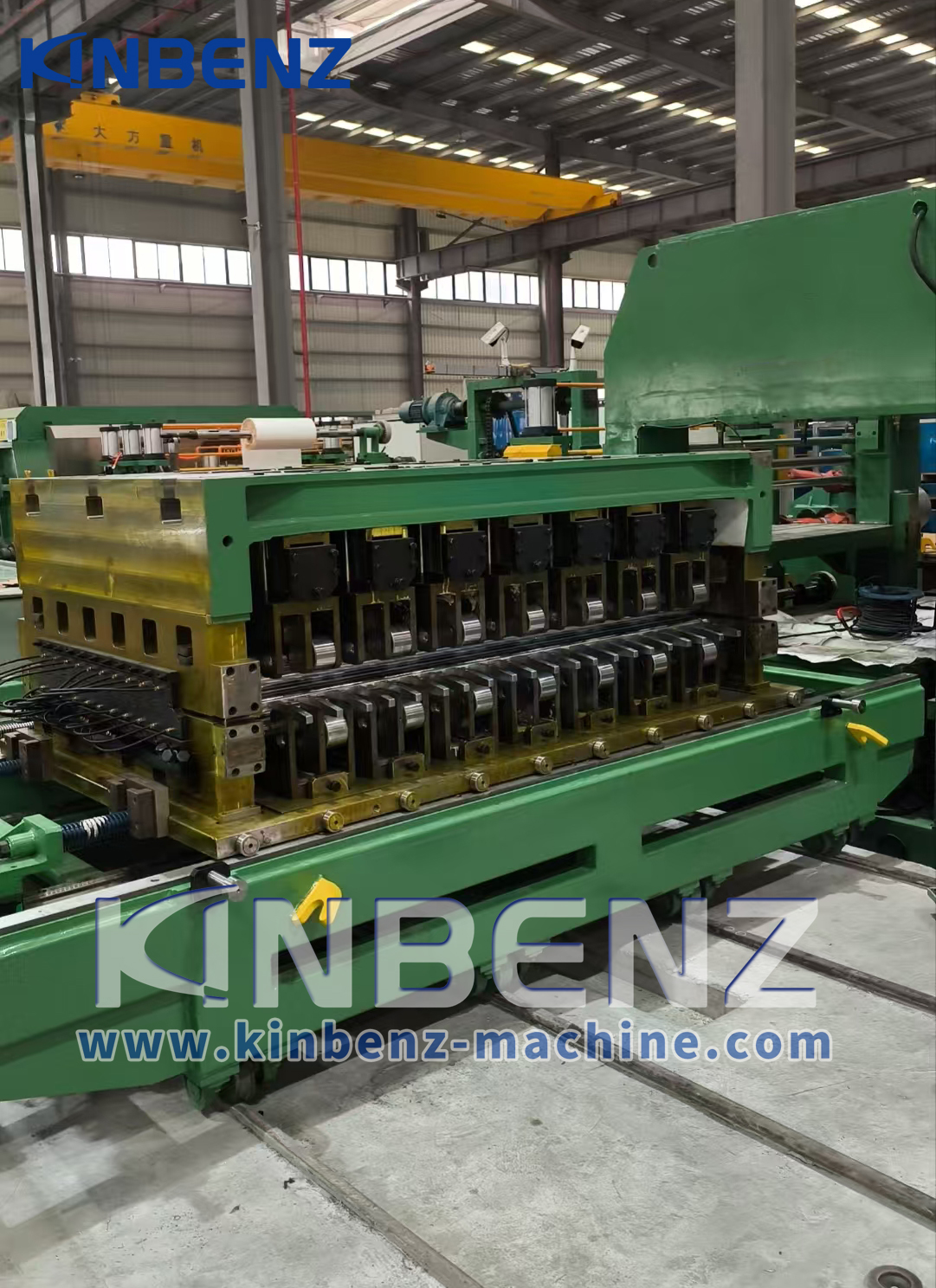
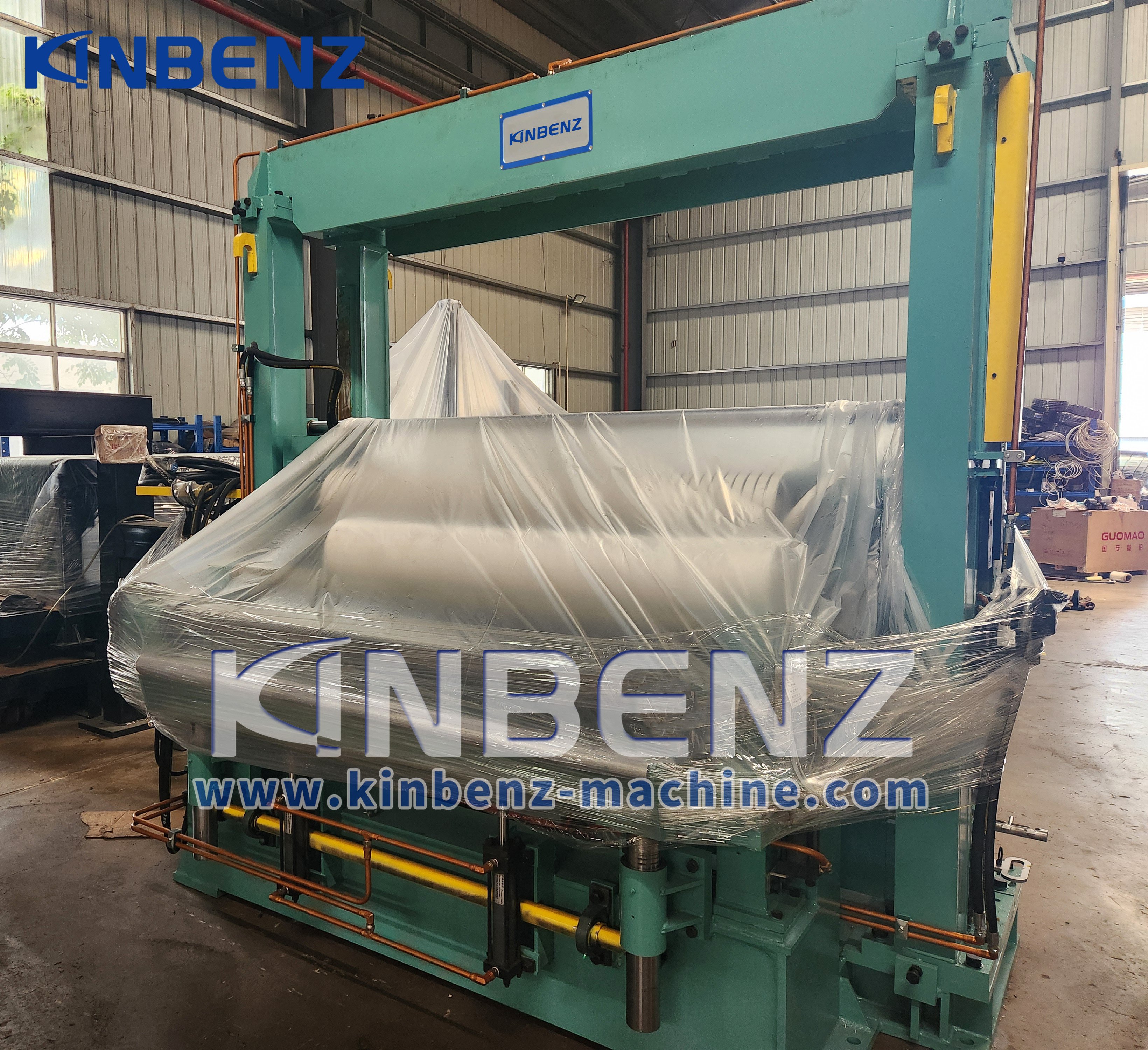
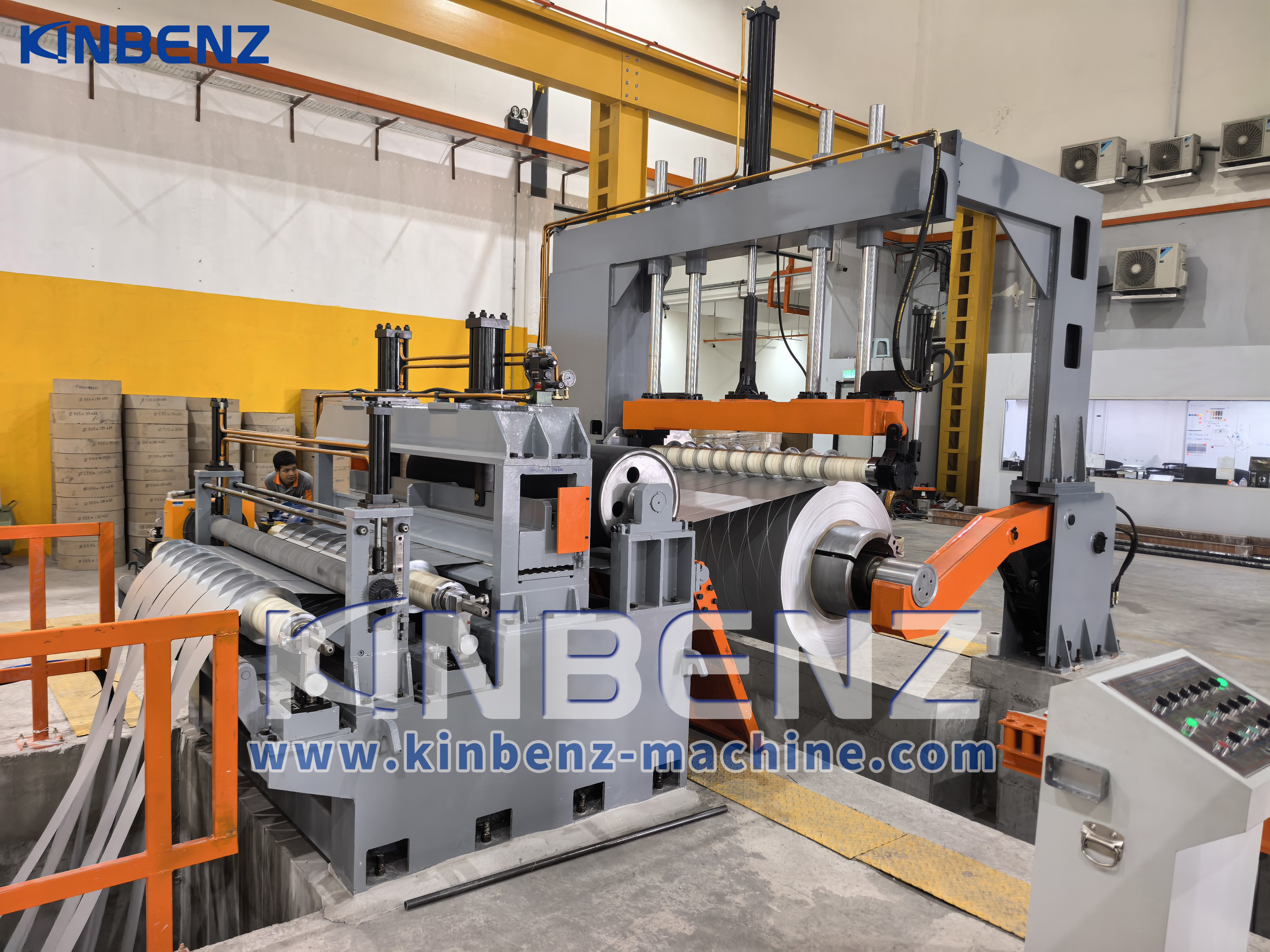
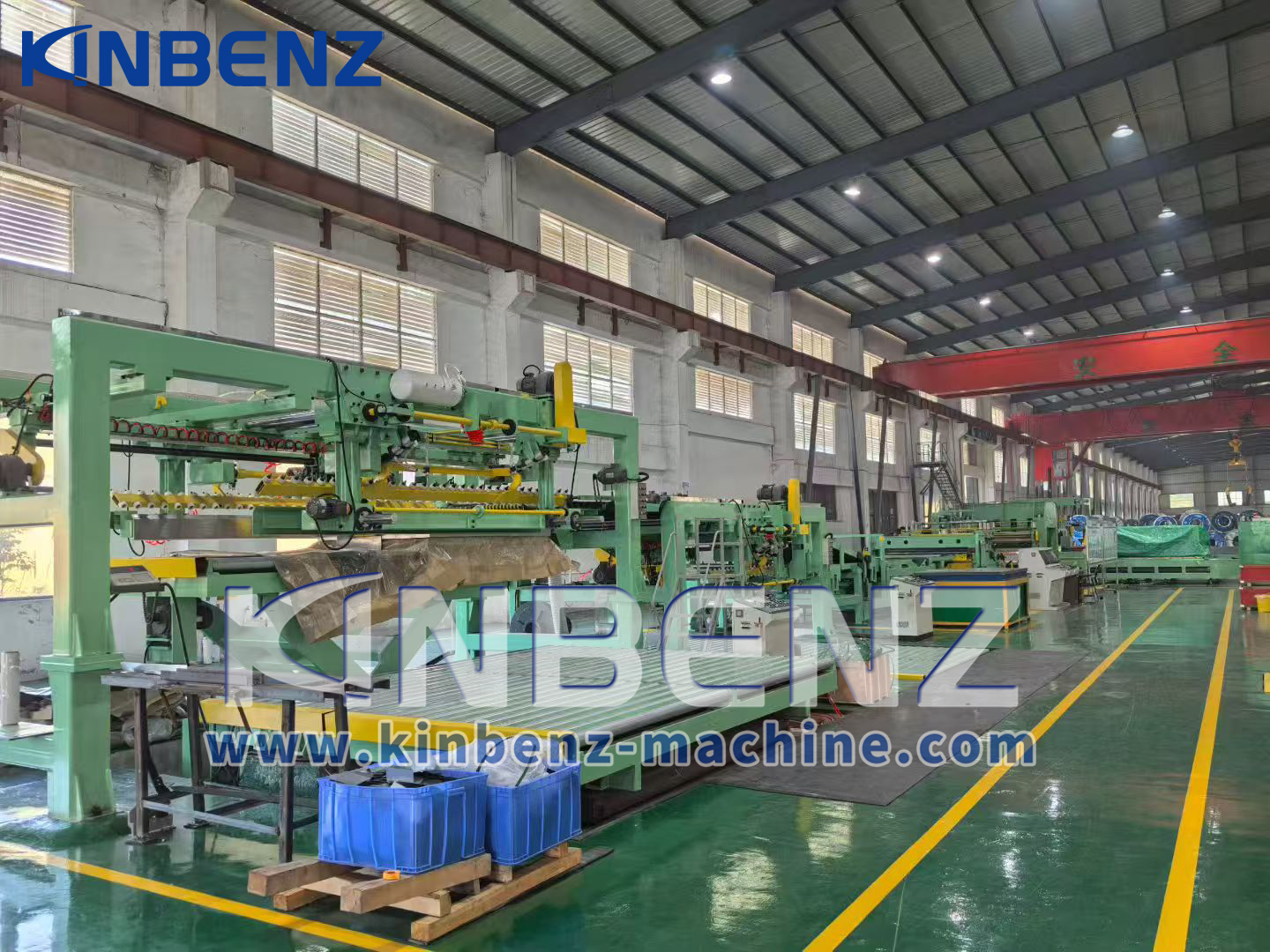
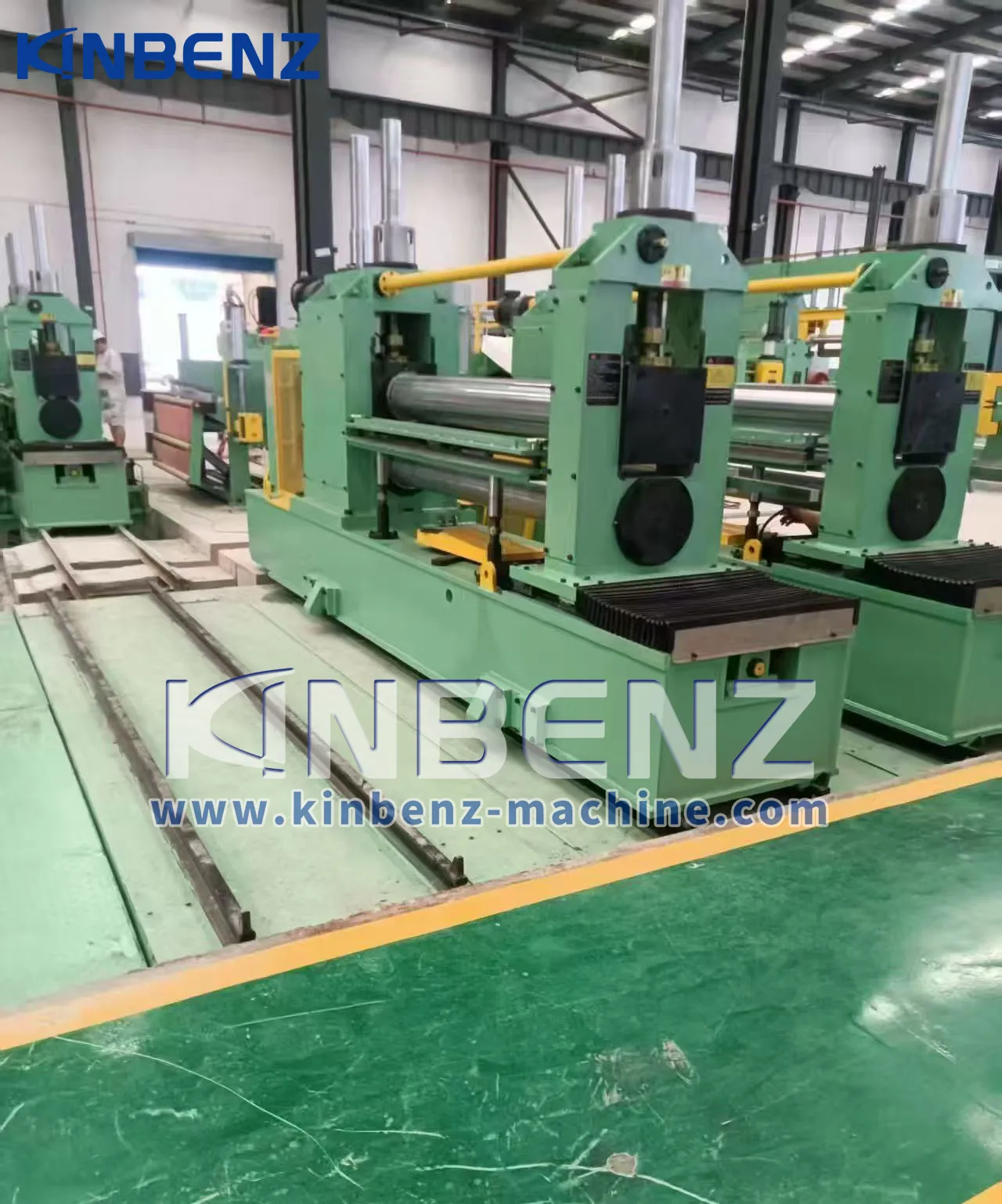
Double slitter slitting line includes two independent slitter heads instead of one. This configuration allows the operator to switch between two different blade setups quickly and automatically, without needing long downtime for changing spacers, blades and shaft configurations.
Key features of double slitter:
- Two complete slitter heads instead of only one.
- Each slitter head can be configured with different blade shaft diameters
- Each slitter allows handling different material thickness range
- Slitters easily switch positions using electric servo-controlled carriage movement
- Greatly reduces changeover time for frequent size or material changes
With two slitter heads ready to use, operators can simply shift from one setup to the other - boosting production efficiency and minimizing downtime.
How Double Slitter Differs from a Standard Slitting Line
Standard Slitting Line (Single Slitter):
- One slitter head
- Blade changing requires manual handling
- Adjustments takes more time
- Suitable for stable, single-type production
- Smaller footprint and lower investment
Double Slitter Slitting Line:
- Each slitter can use different blade shaft diameters (Ideal for hanlding different thickness materials)
- Allows presetting blades in the spare time & Fast changeover positions
- Higher flexibility for multi-specification production
- Larger installation space needed
- Higher investment cost
Because the extra blade stand must be custom manufactured and requires a reinforced base + sliding structure, a double slitter line is naturally more expensive than a standard line.
When Should You Choose Double Slitter Slitting Line?
At KINBENZ, we do not recommend double slitter to all customers. The configuration is beneficial only when the production needs justify the additional cost and space requirements:
Frequent Changeover Between Different Strip Widths
If your production requires many different slitting widths daily, switching blade setups is time-consuming
Double slitter reduces changeover and blade setup time
Processing a Wide Thickness Range (e.g., 0.3-3.0mm + 3.0-6.0mm)
Each blade shaft diameter is degined for a specific load capacity:
- Large diameter blade shaft: Strong transmission, suitable for thick materials.
- Small diameter blade shaft: Better precision for thin materials
Double slitter allows a single line to cover a much broader thickness range.
High Production Capacity or Continuous Operation Demands
If downtime directly increase cost, double slitter ensures continuous production.
Multiple Material Types in One Factory
Especially for factories needing to slit: stainless steel, galvanized steel, hot/cold-rolled steel, aluminum or etc.
Each material may require different blade setting or shaft diameters. Double slitter makes switching fast and accurate.
Which Customers Do We Recommend Double Slitter to?
1. Operate Medium to Large Coil Service Centers
Service centers often handle many coil types and thickness, so rapid changeover is essential.
2. Frequent Orders with Different Specifications
If a factory must constantly adjust strip widths for many end-users, double slitter dramatically reduces downtime.
3. Process Both Thin and Thick Coil on the Same Line
Double shaft system allows the operator to use:
- Smaller slitter for thin materials
- Larger, stronger one for thick materials
4. Produce Automotive, Appliance, or Construction Components
These industries typically require multipe strip widths and materials on the same production line.
5. Need Higher Efficiency With Minimal Manual Intervention
Double slitter slitting line supports faster production and higher automation - ideal for factories focusing on stable long-term output.
Considerations Before Choosing a Double Slitter
Double slitter slitting line requires:
- More floor space
- Higher initial investment
- More complex structure and installation
Unless customers truly need the flexibility and speed advantages, a standard single-slitter line is often more cost-effective.
At KINBENZ, we provide consultation based on your materials, coil width, coil thickness range, production volume, and future expansion plans - ensuring customers select the most suitable and economical solution.
Conclusion
Double slitter slitting line offer significant workflow and efficiency advantages, especially for factories handling diverse materials, multiple thickness, or frequent slitting width changes.
However, it is not necessary for every customer's production needs truly require it - ensuring the investment delivers real value.
If your production involves continuous size changes or thick-coil slitting, double slitter may be the right solution. If not, standard slitting line may be more cost-friendly and equally effective.
Understanding the Difference Between Standard and Double-Slitter Configurations
In metal coil processing, selecting the right slitting configuration is essential for improving productivity, ensuring cutting accuracy, and reducing downtime. While a standard single-slitter design is suitable for most applications, some customers require greater flexibility to handle multiple material specifications or thickness ranges efficiently.
This is where a double slitter (dual slitter) configuration becomes the ideal solution.
In this article, we will explain:
-
What a double slitter is
-
How it differs from a standard slitting line
-
When and why you should choose a double-slitter solution
-
Which types of customers KINBENZ recommends it to
What Is A Double Slitter Slitting Line?
Double slitter slitting line includes two independent slitter heads instead of one. This configuration allows the operator to switch between two different blade setups quickly and automatically, without needing long downtime for changing spacers, blades and shaft configurations.
Key features of double slitter:
- Two complete slitter heads instead of only one.
- Each slitter head can be configured with different blade shaft diameters
- Each slitter allows handling different material thickness range
- Slitters easily switch positions using electric servo-controlled carriage movement
- Greatly reduces changeover time for frequent size or material changes
With two slitter heads ready to use, operators can simply shift from one setup to the other - boosting production efficiency and minimizing downtime.
How Double Slitter Differs from a Standard Slitting Line
Standard Slitting Line (Single Slitter):
- One slitter head
- Blade changing requires manual handling
- Adjustments takes more time
- Suitable for stable, single-type production
- Smaller footprint and lower investment
Double Slitter Slitting Line:
- Each slitter can use different blade shaft diameters (Ideal for hanlding different thickness materials)
- Allows presetting blades in the spare time & Fast changeover positions
- Higher flexibility for multi-specification production
- Larger installation space needed
- Higher investment cost
Because the extra blade stand must be custom manufactured and requires a reinforced base + sliding structure, a double slitter line is naturally more expensive than a standard line.
When Should You Choose Double Slitter Slitting Line?
At KINBENZ, we do not recommend double slitter to all customers. The configuration is beneficial only when the production needs justify the additional cost and space requirements:
Frequent Changeover Between Different Strip Widths
If your production requires many different slitting widths daily, switching blade setups is time-consuming
Double slitter reduces changeover and blade setup time
Processing a Wide Thickness Range (e.g., 0.3-3.0mm + 3.0-6.0mm)
Each blade shaft diameter is degined for a specific load capacity:
- Large diameter blade shaft: Strong transmission, suitable for thick materials.
- Small diameter blade shaft: Better precision for thin materials
Double slitter allows a single line to cover a much broader thickness range.
High Production Capacity or Continuous Operation Demands
If downtime directly increase cost, double slitter ensures continuous production.
Multiple Material Types in One Factory
Especially for factories needing to slit: stainless steel, galvanized steel, hot/cold-rolled steel, aluminum or etc.
Each material may require different blade setting or shaft diameters. Double slitter makes switching fast and accurate.
Which Customers Do We Recommend Double Slitter to?
1. Operate Medium to Large Coil Service Centers
Service centers often handle many coil types and thickness, so rapid changeover is essential.
2. Frequent Orders with Different Specifications
If a factory must constantly adjust strip widths for many end-users, double slitter dramatically reduces downtime.
3. Process Both Thin and Thick Coil on the Same Line
Double shaft system allows the operator to use:
- Smaller slitter for thin materials
- Larger, stronger one for thick materials
4. Produce Automotive, Appliance, or Construction Components
These industries typically require multipe strip widths and materials on the same production line.
5. Need Higher Efficiency With Minimal Manual Intervention
Double slitter slitting line supports faster production and higher automation - ideal for factories focusing on stable long-term output.
Considerations Before Choosing a Double Slitter
Double slitter slitting line requires:
- More floor space
- Higher initial investment
- More complex structure and installation
Unless customers truly need the flexibility and speed advantages, a standard single-slitter line is often more cost-effective.
At KINBENZ, we provide consultation based on your materials, coil width, coil thickness range, production volume, and future expansion plans - ensuring customers select the most suitable and economical solution.
Conclusion
Double slitter slitting line offer significant workflow and efficiency advantages, especially for factories handling diverse materials, multiple thickness, or frequent slitting width changes.
However, it is not necessary for every customer's production needs truly require it - ensuring the investment delivers real value.
If your production involves continuous size changes or thick-coil slitting, double slitter may be the right solution. If not, standard slitting line may be more cost-friendly and equally effective.

Copyright © 2025 Guangzhou Kinbenz Machine Co., Ltd. All Rights Reserved.
Contact Us